THE CULINARY JOURNAL · COOK & BAKE ACADEMY
A curious mind.
A better cook.
A space for the ideas, techniques and questions behind good food—from your first kitchen experiment to your next culinary ambition.
Offline culinary education · Paschim Vihar, New Delhi

Follow your curiosity.
Find your next idea.
Explore cooking skills, baking practice, course and career guides, and food-business planning. Start with a question, then bring what you learn into your own practice.
01 · Kitchen craft
Preparation, cooking techniques and the thinking behind a well-made dish.
02 · The baking notebook
Ingredients, methods and the details that make baking rewarding.
03 · A life in food
Chef-career questions, learning pathways and informed next steps.
04 · Academy perspective
Practical learning, course guidance and stories supported by genuine academy records.
Fresh thinking.
From the kitchen.
Practical guides for curious cooks, bakers and future professionals. Choose a topic and build your skills one thoughtful step at a time.

A Kitchen Handover Checklist for Clearer Teamwork
Practise a clear kitchen handover: explain what is ready, what remains, which recipe version to use and what needs checking before another cook continues.
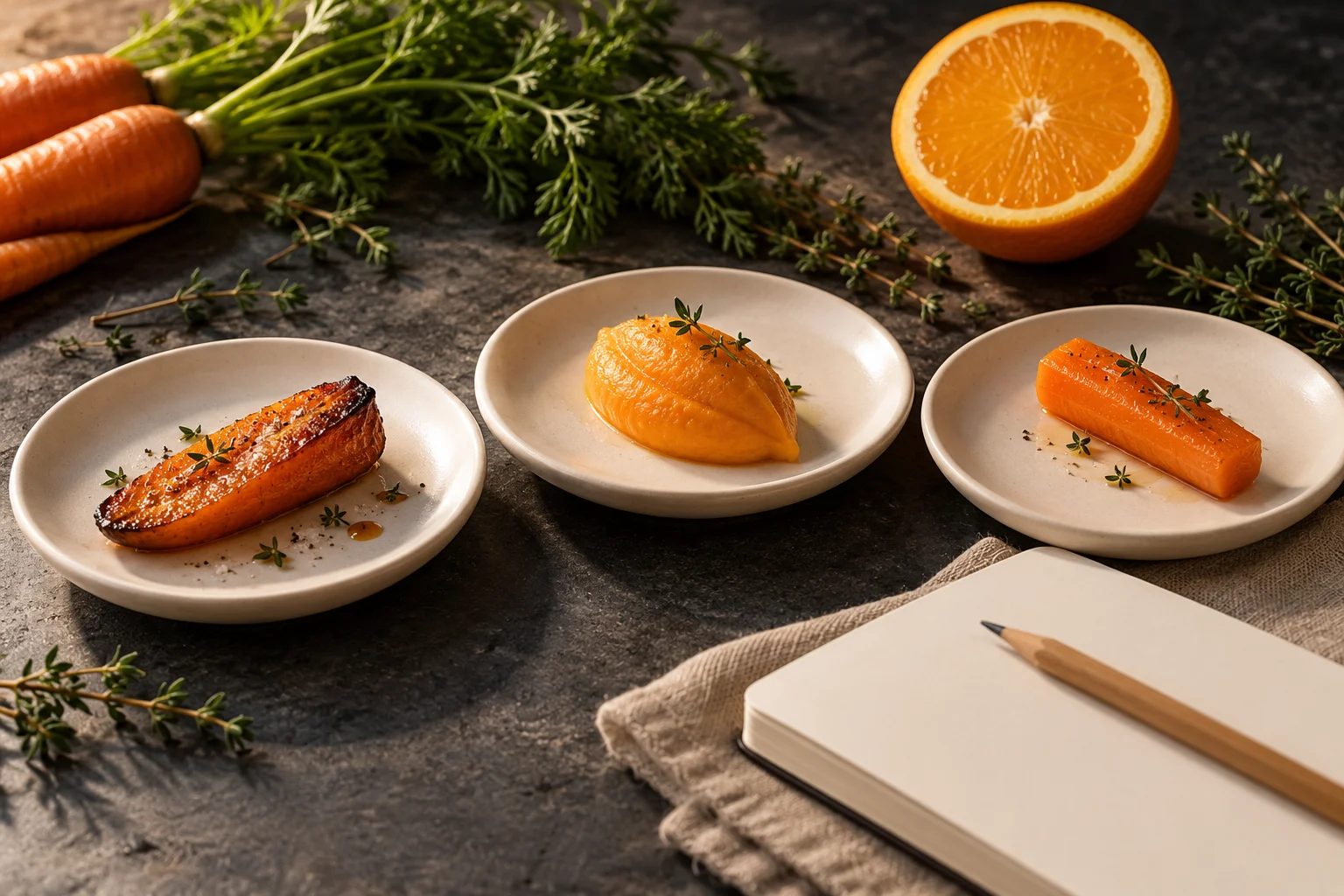
How to Describe Food Beyond “Good” or “Bad”
Practise describing food with clear observations of aroma, texture and flavour. Use a simple tasting exercise to turn vague opinions into useful cooking feedback.

Write a Recipe Card Another Cook Can Follow
Turn a successful dish into a clear recipe card. Record portions, ingredients, equipment and checkpoints, then test whether another cook can follow it.

Culinary Arts or Baking: Which Course Should You Choose?
Compare culinary arts and baking by practical interests, syllabus, qualifications and learning goals before choosing a course in Delhi.
How to choose a culinary course that fits your goals
Compare your goals, practical learning needs and course information before choosing a culinary or baking programme.
Baking measurements: small habits for more consistent results
Use careful measuring, consistent methods and a baking notebook to understand your results and improve the next batch.

Mise en place: prepare your kitchen before you cook
Prepare ingredients, tools and your workspace before cooking. Learn a simple mise en place routine that helps you work with focus.

Create an honest culinary portfolio from your own practice
A beginner’s culinary portfolio should make your learning visible. Clear photographs, accurate labels and thoughtful notes are more credible than borrowed images or exaggerated claims.
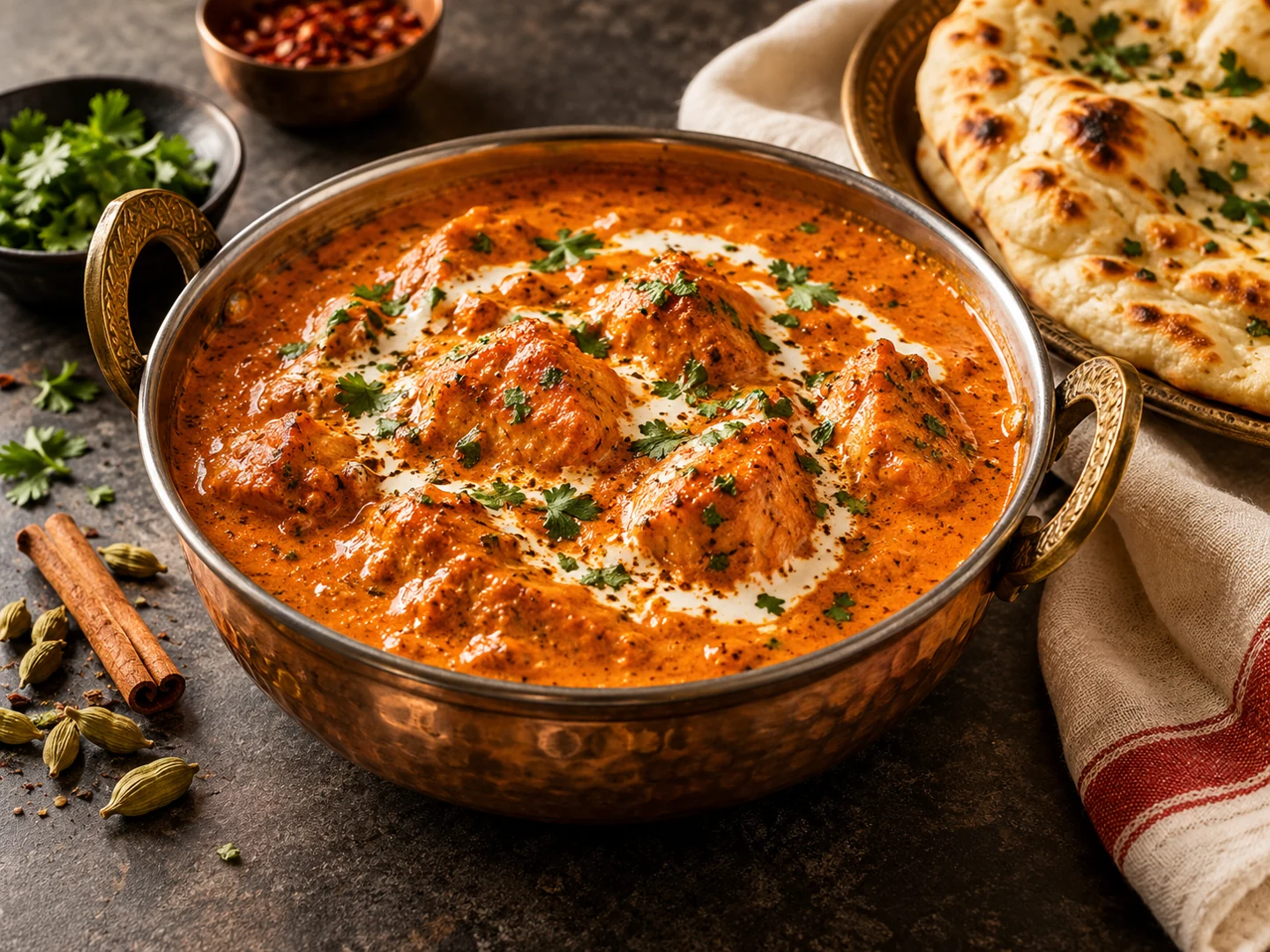
Restaurant-style cooking at home: improve the process first
A more polished home-cooked meal does not have to begin with specialised equipment or a complicated menu. Preparation, sequence and a clear idea of the finished dish give you more useful places to start.

Test a cloud-kitchen menu before expanding it
A dish that works immediately at the counter may behave differently after packing and travel. A small menu trial can help you separate culinary quality from delivery performance.
Build a recipe ingredient-cost worksheet
An ingredient-cost worksheet makes assumptions visible. It is useful for comparing recipe trials, but it is not a complete business plan or a promise of profit.
Scaling a baking recipe: calculate first, test second
Multiplying ingredient quantities is only the first part of increasing a batch. Equipment, mixing and the shape of the bake also need a practical trial.

Plan pastry work backwards from serving time
Pastry preparation can involve several stages that are easy to overlook when you read only the active mixing time. A simple backwards plan helps you see the full process before starting.
Know your oven: keep a useful baking test record
When a bake differs from the recipe, changing every setting at once makes the cause harder to find. A consistent oven record is a more useful starting point.
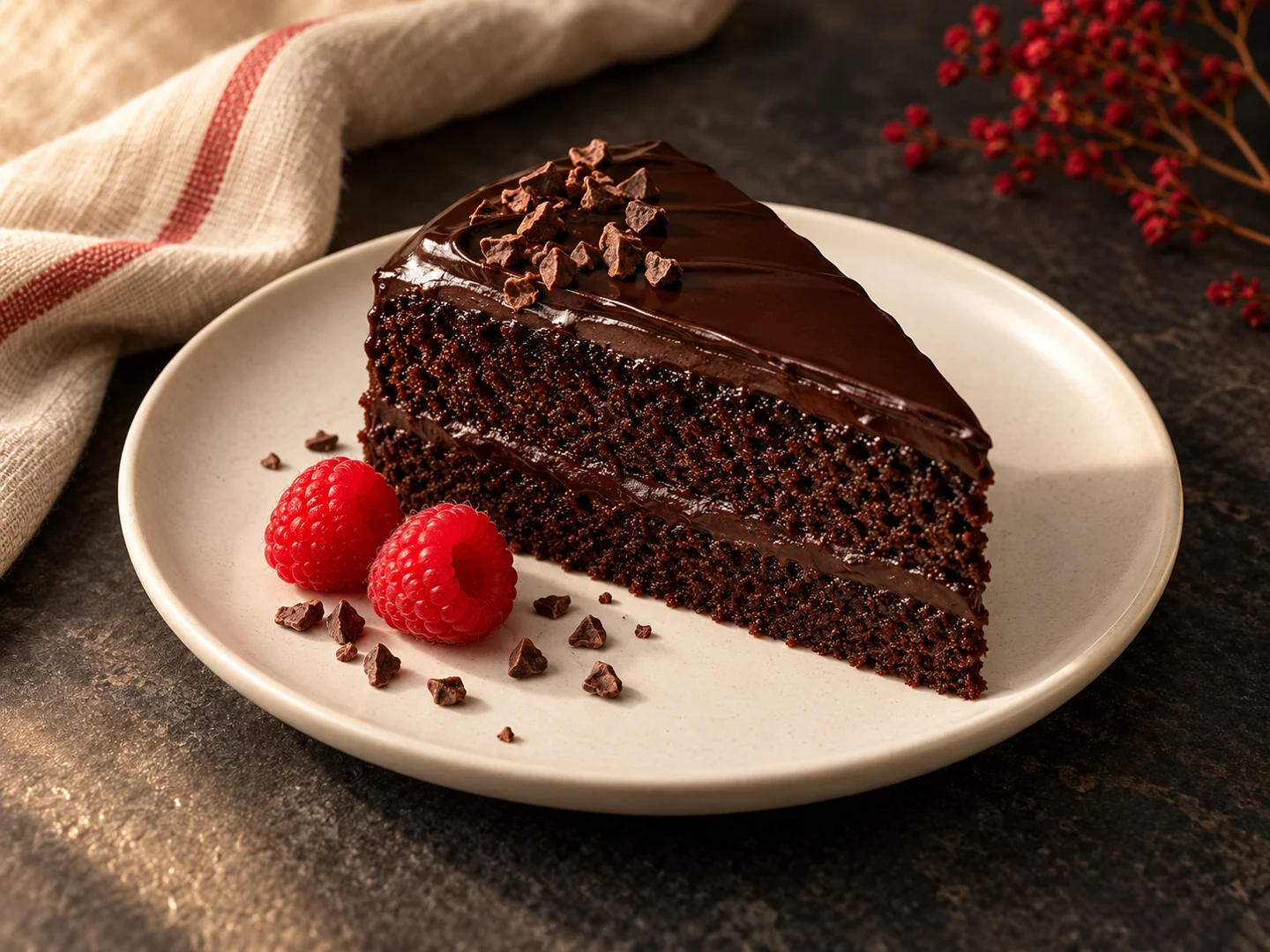
Starting eggless baking: choose the right recipe first
A more useful starting point for eggless baking is a recipe developed for that purpose. Simply removing an ingredient from a familiar cake can leave you guessing about the rest of the method.
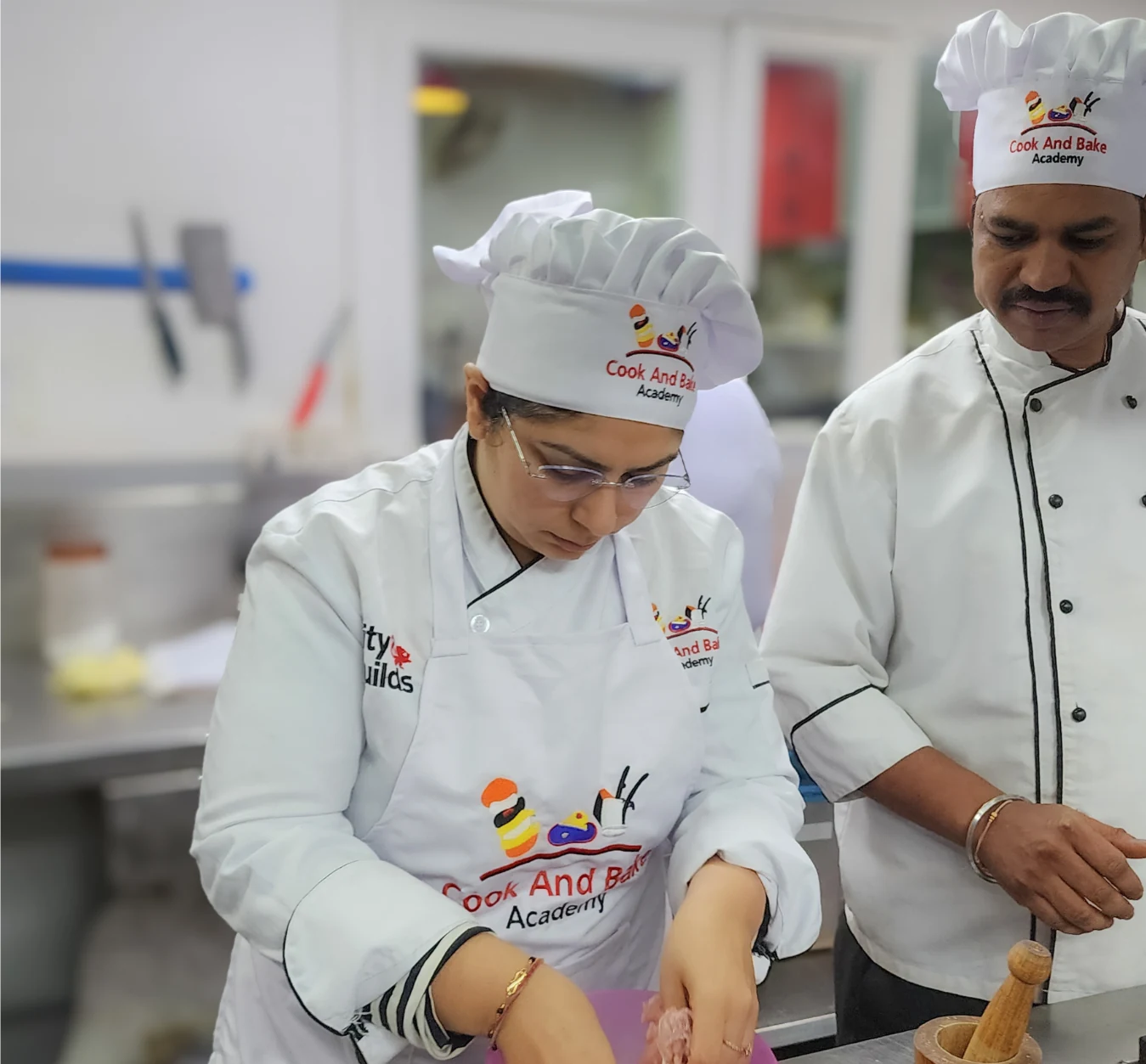
Creaming butter and sugar: what to observe while mixing
When a recipe calls for creaming, the instruction describes a stage of the method—not simply a request to combine ingredients. Observing the mixture helps you understand what the recipe is asking you to achieve.
Bread practice: learn to observe dough, not only the clock
Bread recipes provide a method, but learning also depends on noticing the dough at each stage. A short observation record helps you connect preparation, fermentation and the finished loaf.
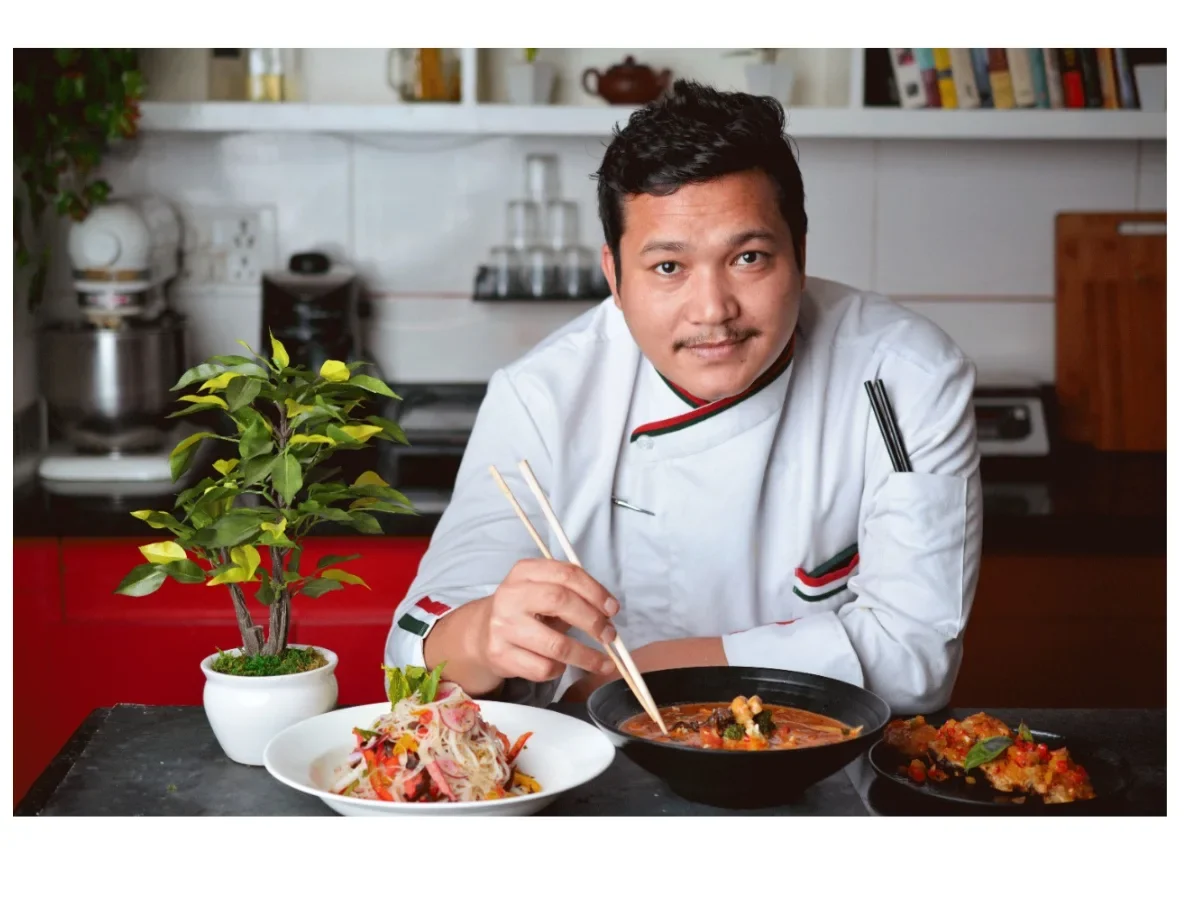
Food plating for beginners: give every element a purpose
An attractive plate should still be comfortable to eat. Start with the food and its intended experience, then use composition to make that experience clear.
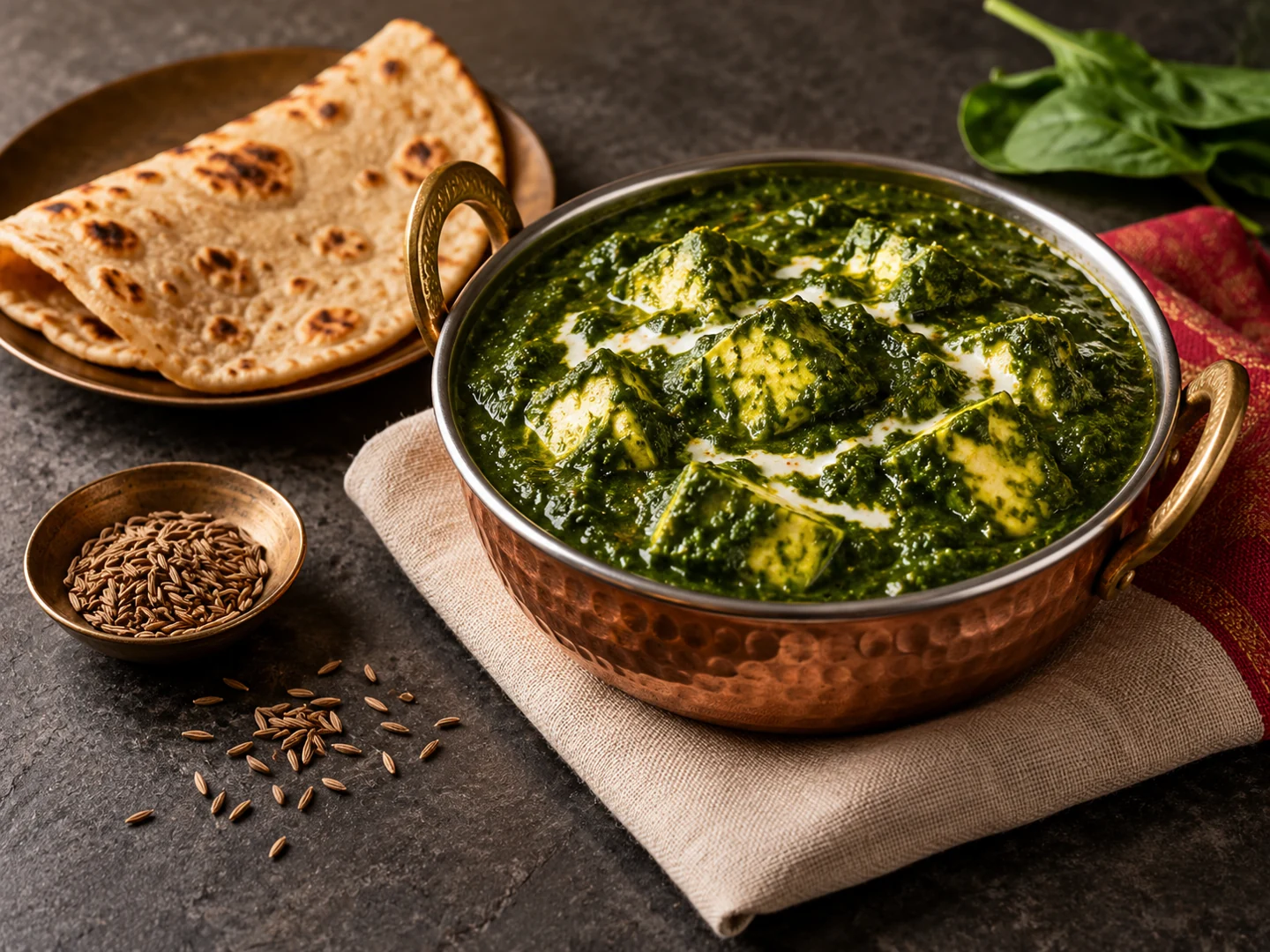
Build a spice notebook for more deliberate Indian cooking
Recognising a spice by name is different from understanding how you used it in a dish. A small notebook can help you connect ingredients, preparation methods and the final flavour.
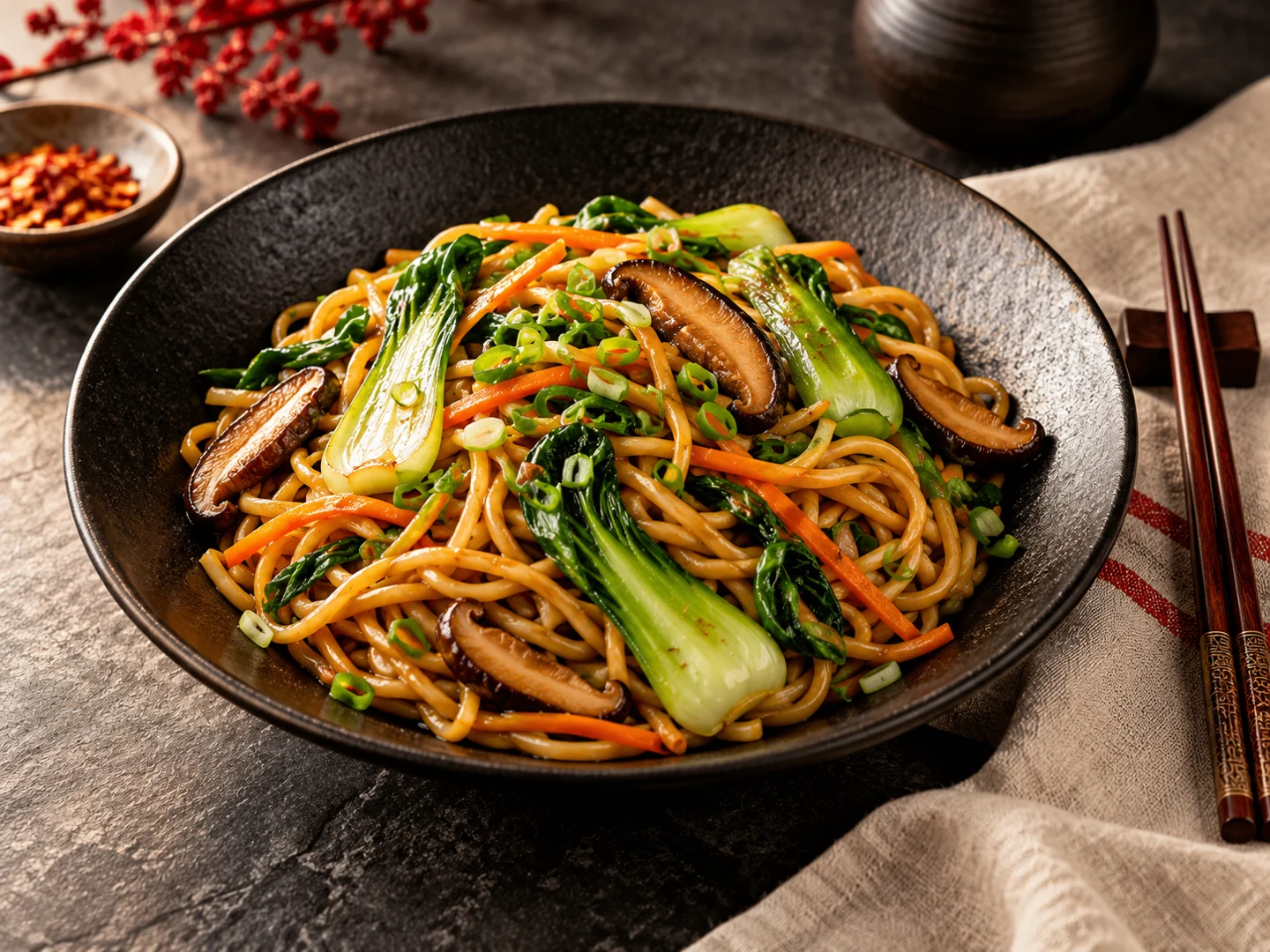
Preparing for a stir-fry: organise the work before the heat
A stir-fry can feel rushed when preparation and cooking happen at the same time. Organising the ingredients and sequence first makes the process easier to follow and review.
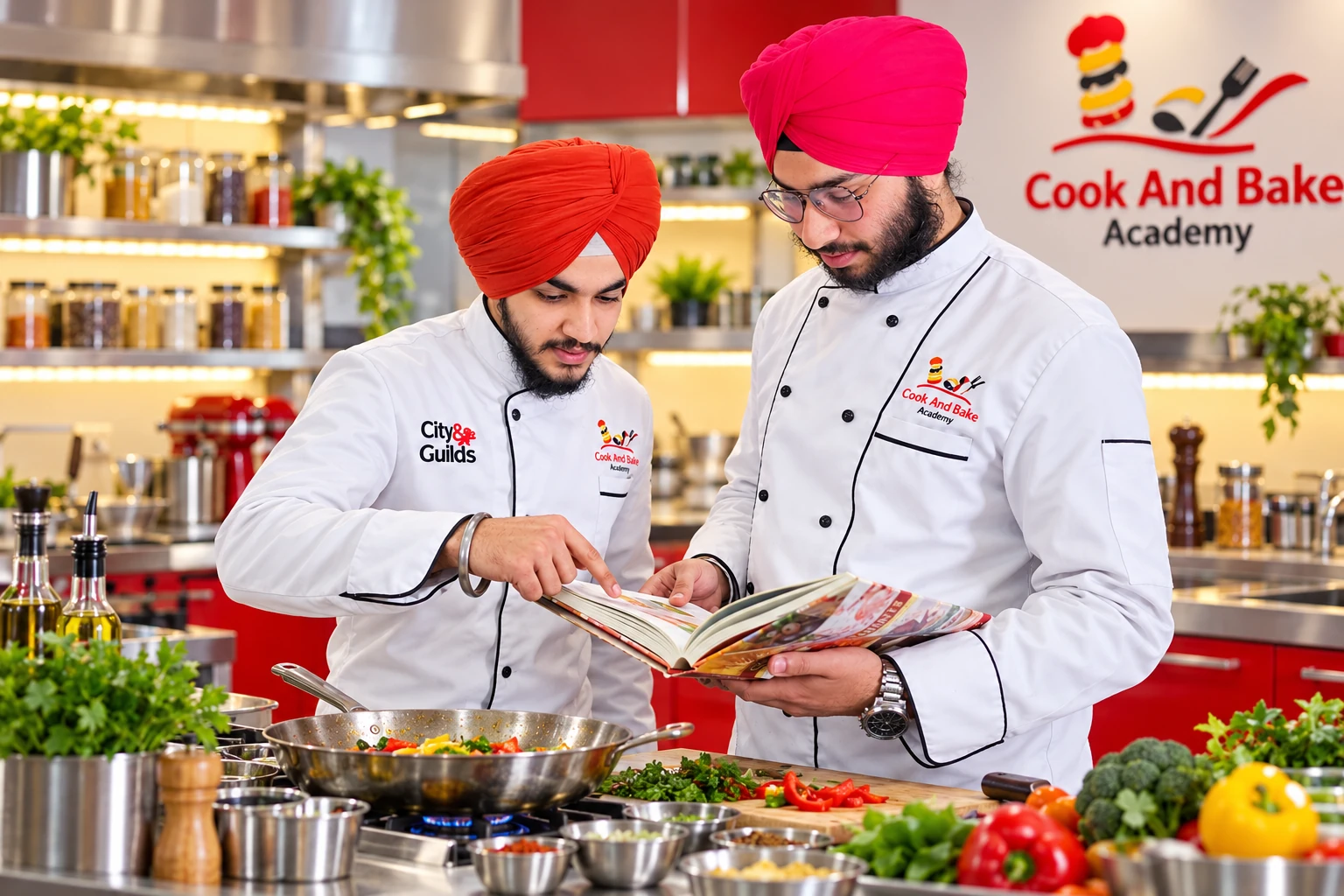
Read. Get inspired.
Then get hands-on.
Curious about learning in a real academy kitchen? Speak with admissions about your interests, current programmes and arranging a visit to Paschim Vihar, New Delhi.
Cook & Bake Academy · Paschim Vihar, New Delhi