
INDIAN COOKING
Build a spice notebook for more deliberate Indian cooking
Recognising a spice by name is different from understanding how you used it in a dish. A small notebook can help you connect ingredients, preparation methods and the final flavour.
Cook & Bake Academy · Culinary Journal
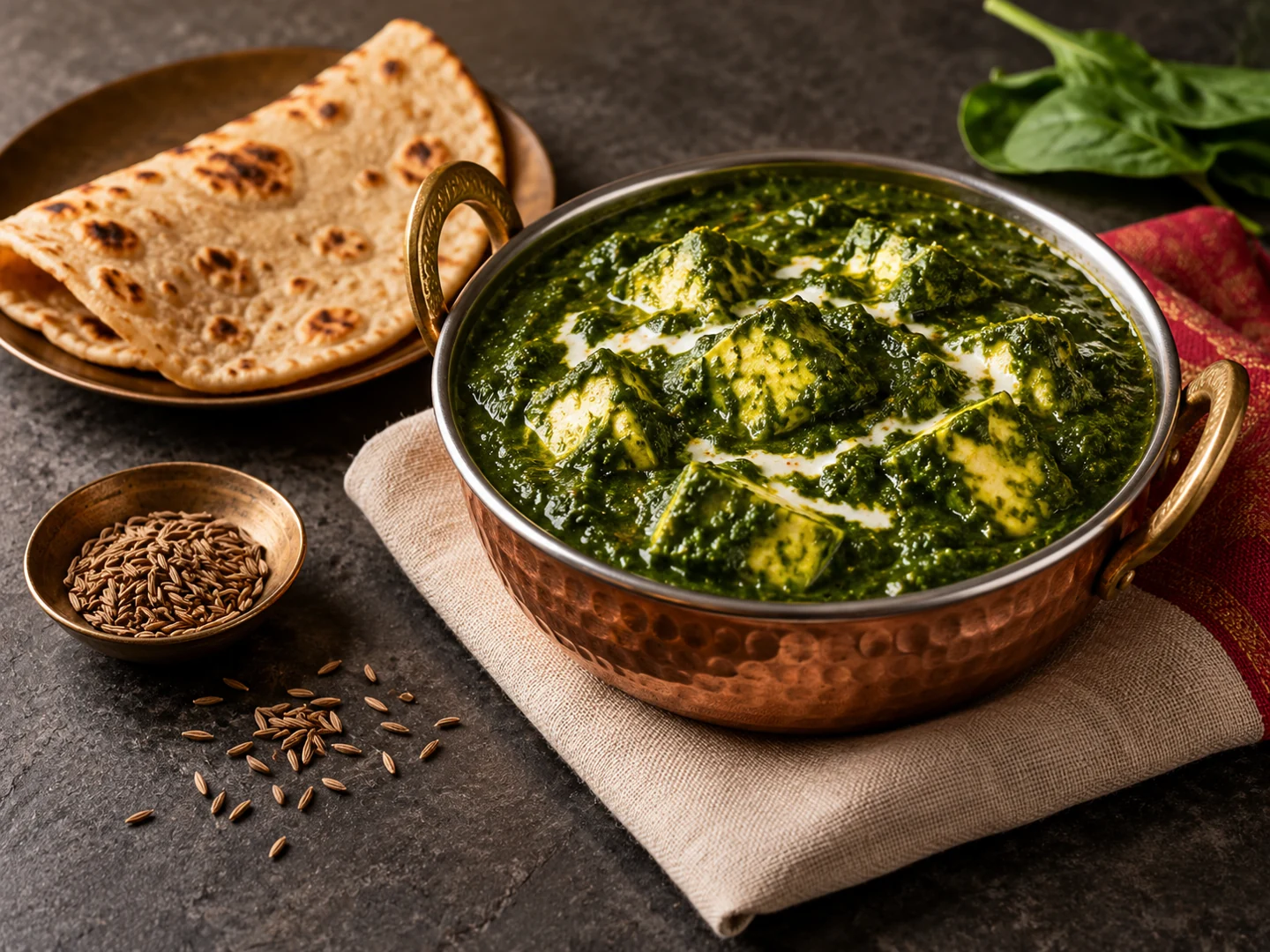
Label the starting point
Record the name, form and source of each spice you use. Whole and ground versions should be noted separately. Label storage containers clearly and follow the supplier’s storage guidance. Do not identify an unknown ingredient by tasting it. For a comparison exercise, use familiar ingredients from a reliable food source and follow a tested recipe.
Follow one preparation method at a time
Choose a recipe with a manageable spice list. Note when each spice is introduced and whether the recipe asks for it to be used whole, ground or blended. Avoid changing the quantity and method together on the first attempt. The purpose is to understand this preparation, not to produce a rule that applies to every Indian dish.
Write specific tasting observations
Describe the finished dish in your own words: aromatic, earthy, warm, sharp or dominated by one ingredient. Distinguish flavour from heat rather than treating them as the same quality. Ask what is missing from the whole dish before adding more spice. Salt, acidity, texture and cooking progress may also affect your impression.
Use the notebook to choose learning goals
After several dishes, identify what you want to practise: tempering, a particular regional preparation or balancing a gravy. Bring those questions to a relevant Indian cooking programme. Cook & Bake Academy’s confirmed Culinary Arts & Cookery Diploma syllabus excludes Indian Cuisine; explore the separate Indian certificate and hobby options rather than assuming every diploma includes it.
A spice-note example
A useful entry identifies the dish, spice form, measured quantity, stage of addition and observation. For example: “whole cumin, added at the recipe’s tempering stage; noticeable aroma in the finished vegetables.” This records a method without turning one result into a rule for every Indian dish.
Keep regional and recipe names accurate. A broad label such as Indian cooking covers many traditions; one gravy or spice blend cannot represent them all. Learn the purpose of an ingredient within a particular recipe, then compare another recipe deliberately instead of adding more spices at random.
Continue learning: Explore Indian vegetarian cooking.
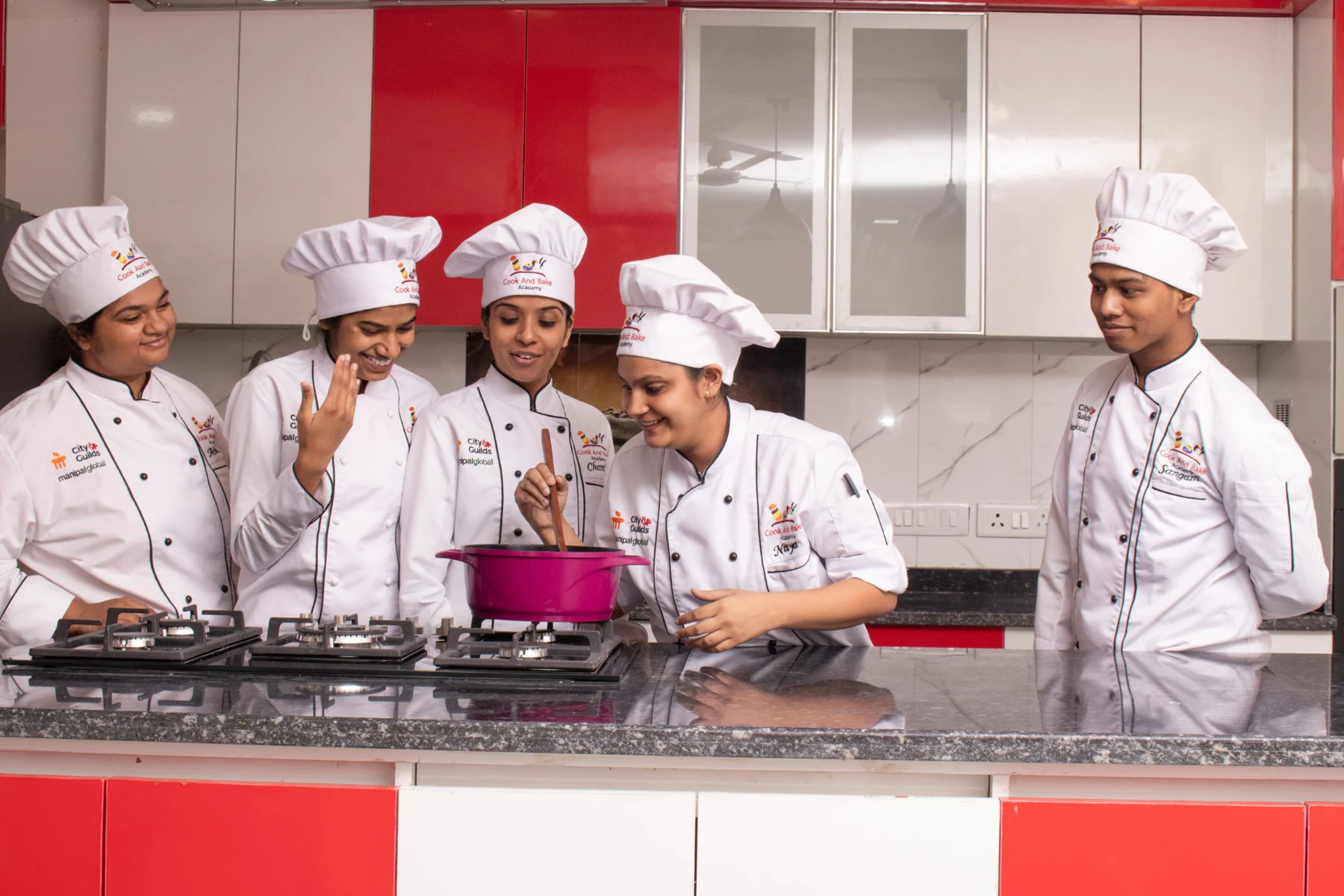
Bring your questions.
Explore the craft.
Curious about learning in a real academy kitchen? Speak with admissions about your interests, current programmes and arranging a visit to Paschim Vihar, New Delhi.
Cook & Bake Academy · Paschim Vihar, New Delhi