
CULINARY JOURNAL
The Muffin Method: Mix Enough, Then Stop
Learn the wet-and-dry muffin method, how to judge mixing and portioning, and what to record when muffins turn out tough, uneven or full of tunnels.
Cook & Bake Academy
Identify the method before starting
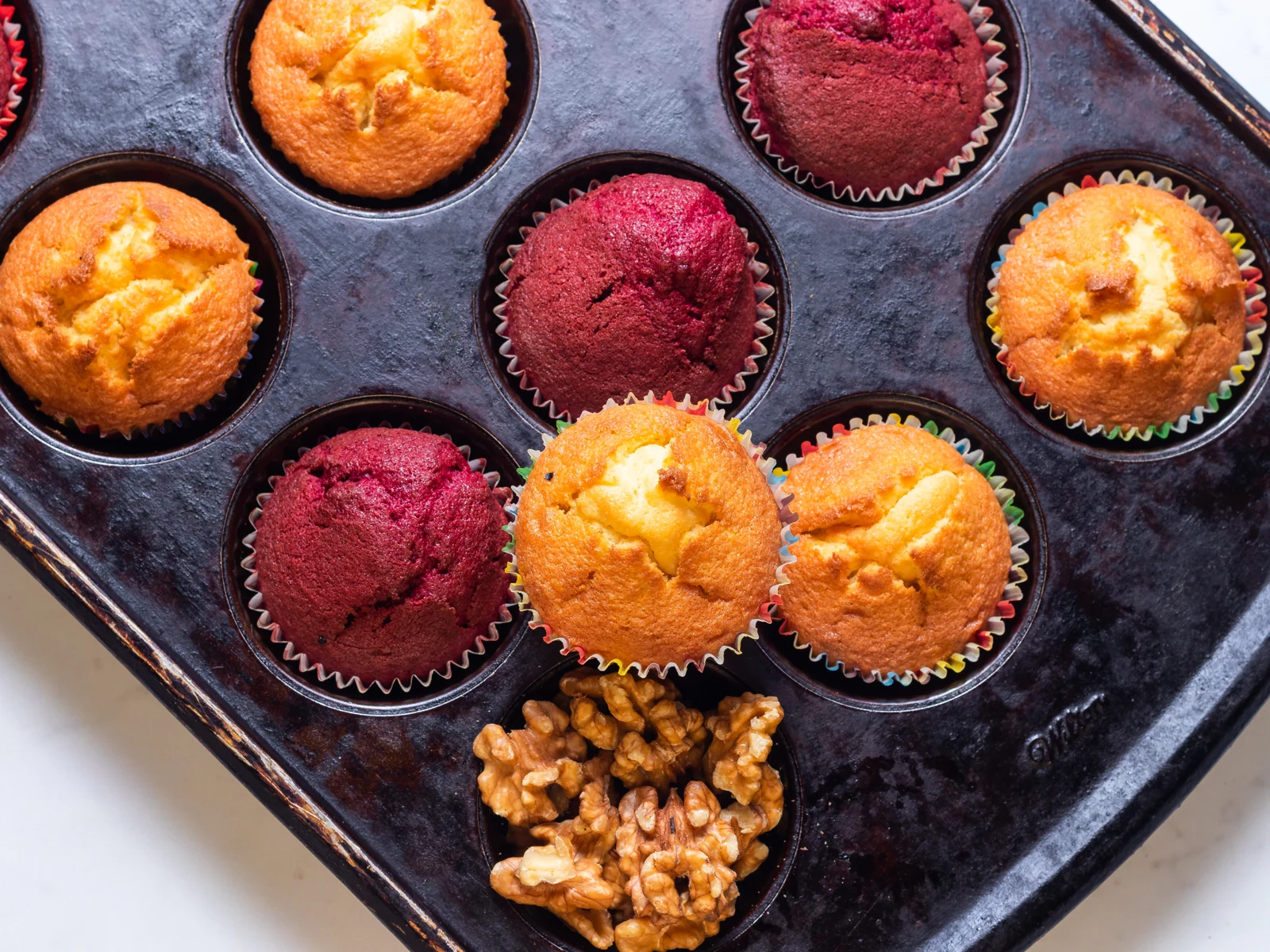
Not every small cake baked in a muffin tin uses the same mixing method. The classic muffin method prepares wet and dry mixtures separately, then combines them with limited mixing. Some recipes instead use creaming or another approach. Follow the method written for the product you are making.
The aim is an evenly combined batter without unnecessary working after flour and liquid meet. A smooth, glossy appearance is not automatically the correct endpoint for a muffin batter.
The American Heart Association’s muffin technique guide highlights avoiding overmixing and portioning consistently. Apply those principles to your chosen tested recipe rather than treating them as a complete formula.
Make the last stage easy
Prepare the tin, ingredients and oven before combining the wet and dry mixtures. Distribute dry ingredients as the recipe directs so a small quantity of leavener does not remain concentrated in one part of the bowl.
Use a bowl large enough to fold comfortably. Scrape around the sides and through the bottom, where dry pockets can hide. Stop at the recipe’s endpoint; do not keep stirring simply to remove every small lump.
If adding fruit or nuts, follow the recipe’s preparation and timing. A large unplanned addition changes the batter and can make a successful base recipe behave differently.
Portion consistently and compare fairly
Use the same scoop or a scale to divide batter evenly. Unequal portions complicate assessment because a small muffin may finish before a large one. Keep the fill level appropriate to the recipe and pan.
After cooling as instructed, cut a representative muffin and examine the crumb. Record tenderness, shape and any large tunnels or dense patches. Do not judge only by the dome: a tall muffin can still have an unpleasant texture.
For a practice session, repeat the same recipe twice. In the second batch, focus on a more deliberate folding motion and consistent portions. Avoid changing the fruit, flour and oven temperature at the same time.
Use symptoms to choose your next check
Dry pockets suggest incomplete distribution; a tough result can prompt a review of mixing and flour measurement. Uneven colour may point towards oven position or pan differences. These are checks, not automatic diagnoses.
Keep the recipe, ingredient weights, portion size and oven notes together. Our measurement guide and leavener comparison help you separate ingredient errors from mixing errors.
Explore bakery and confectionery courses through the course directory if you want more guided practice. Your first goal is a repeatable batch with a pleasant crumb, not the biggest possible muffin top.
Bring your questions.
Explore the craft.
Curious about learning in a real academy kitchen? Speak with admissions about your interests, current programmes and arranging a visit to Paschim Vihar, New Delhi.
Cook & Bake Academy · Paschim Vihar, New Delhi