
CULINARY JOURNAL
Folding Cake Batter: Combine Ingredients Without Losing the Foam
Practise folding an aerated cake batter with a clear motion and sensible endpoint. Learn what to check when flour pockets or deflation appear.
Cook & Bake Academy
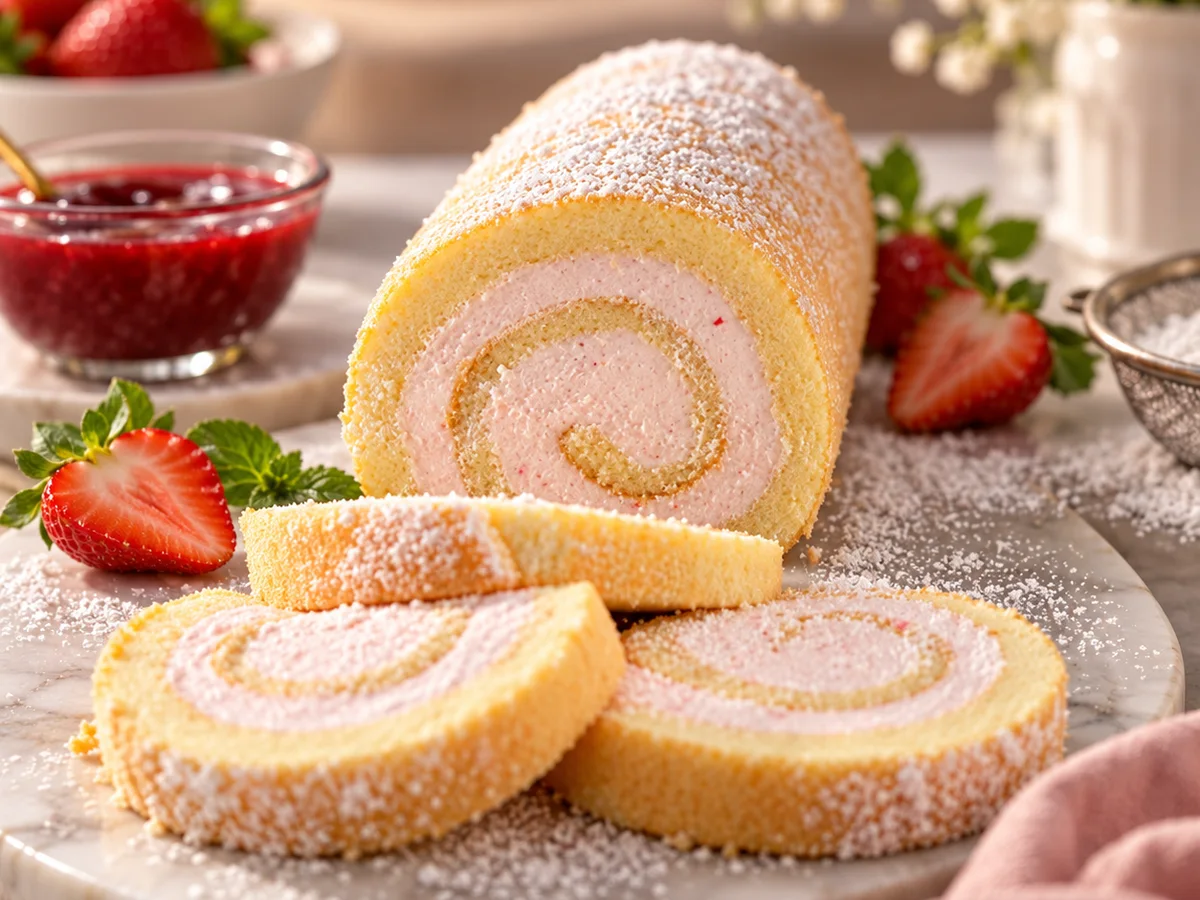
Folding has a specific purpose
Folding combines mixtures while trying to preserve useful aeration. It is different from vigorous beating. In a foam-based cake, air incorporated earlier contributes to the structure, so the final mixing stage deserves attention.
The correct motion is controlled, but it still needs to combine the ingredients. Being so cautious that flour remains at the bottom of the bowl is not a successful fold. The balance is between thorough incorporation and unnecessary working.
Begin with a tested sponge recipe and follow its sequence. A technique used for one foam is not a reason to rewrite every cake method.
Set up before the foam is ready
Prepare the pan and oven as instructed. Measure and sift ingredients where required. Have a broad flexible spatula and a bowl that allows you to move through the mixture without spilling it.
Read whether additions are made in stages and whether a small amount of the foam is first mixed into a heavier component. Those details can make the mixtures easier to combine. Do not skip them simply because the ingredient list looks short.
If you are still learning to recognise the preceding whipping stage, record that uncertainty. A weak or overworked foam before folding can affect the result even when the folding motion looks careful.
Use a deliberate path through the bowl
Move the spatula down through the mixture, across the bottom and up the side, bringing the lower mixture over the top. Rotate the bowl between strokes so you work through all areas instead of repeatedly cutting the same channel.
Check for dry material and heavy streaks near the base. Stop when the recipe’s ingredients are incorporated rather than continuing until the batter looks exceptionally smooth. Transfer and bake according to the recipe.
For an original practice record, note the bowl size, tool and number of additions. Do not turn the number of strokes into a universal target: bowl shape and batch size change what each stroke achieves.
Evaluate the baked cake
After cooling as directed, compare the crumb and height with the recipe’s intended result. A dense layer, visible flour pocket or uneven texture gives you a more useful clue than the word “failed”.
Review the whole sequence: whipping, folding, transfer, pan and baking. Change one uncertain stage on the next attempt. Our creaming guide covers a different mixing approach, while the flour guide explains why flour selection matters.
Browse Professional Patisserie & Confectionery for the academy pathway. Keep your practice focused on recognising the batter’s condition, not imitating a fast demonstration without understanding its endpoint.
Bring your questions.
Explore the craft.
Curious about learning in a real academy kitchen? Speak with admissions about your interests, current programmes and arranging a visit to Paschim Vihar, New Delhi.
Cook & Bake Academy · Paschim Vihar, New Delhi