FOOD-BUSINESS SKILLS
Test a cloud-kitchen menu before expanding it
A dish that works immediately at the counter may behave differently after packing and travel. A small menu trial can help you separate culinary quality from delivery performance.
Cook & Bake Academy · Culinary Journal

Define a focused trial
Choose a manageable group of dishes and write down the intended portion, preparation method and packaging. Start with products you can prepare consistently rather than a long list of unrelated cuisines. Keep the trial separate from a public launch until applicable food-business requirements and handling procedures have been addressed.
Test the complete journey
Prepare, pack and assess the dish using a realistic version of the intended service journey. Follow appropriate food-safety controls throughout. Record appearance, texture, leakage and ease of eating; do not use taste or appearance to declare a product safe. Packaging performance and validated handling requirements are different questions.
Look for operational conflicts
Map which dishes need the same station or equipment at the same time. Note preparation steps that can be shared without compromising the recipe or safe handling. A menu with many attractive dishes can still be difficult to execute consistently. Test several orders together instead of assuming that one successful portion establishes service capacity.
Use results to narrow the menu
Keep the products that meet your defined quality and workflow criteria. Document why others need revision. Calculate costs from actual records and avoid treating a culinary trial as evidence of profitability. Cooking education can support technique and consistency; licensing, commercial planning and delivery operations need their own work and advice.
Build a menu trial scorecard
Record each dish’s preparation sequence, portion, packaging choice, appearance after the intended journey and customer handling. Add a separate column for station or equipment conflicts when several orders are prepared together.
Set a clear pass criterion for each quality you are testing, then record the observed result rather than an overall impression. A dish may taste good but travel poorly or require too much last-minute assembly. Use those findings to simplify the trial menu. Culinary testing does not replace required food-business compliance or validated safety controls.
Continue learning: Build an ingredient-cost worksheet.
Bring your questions.
Explore the craft.
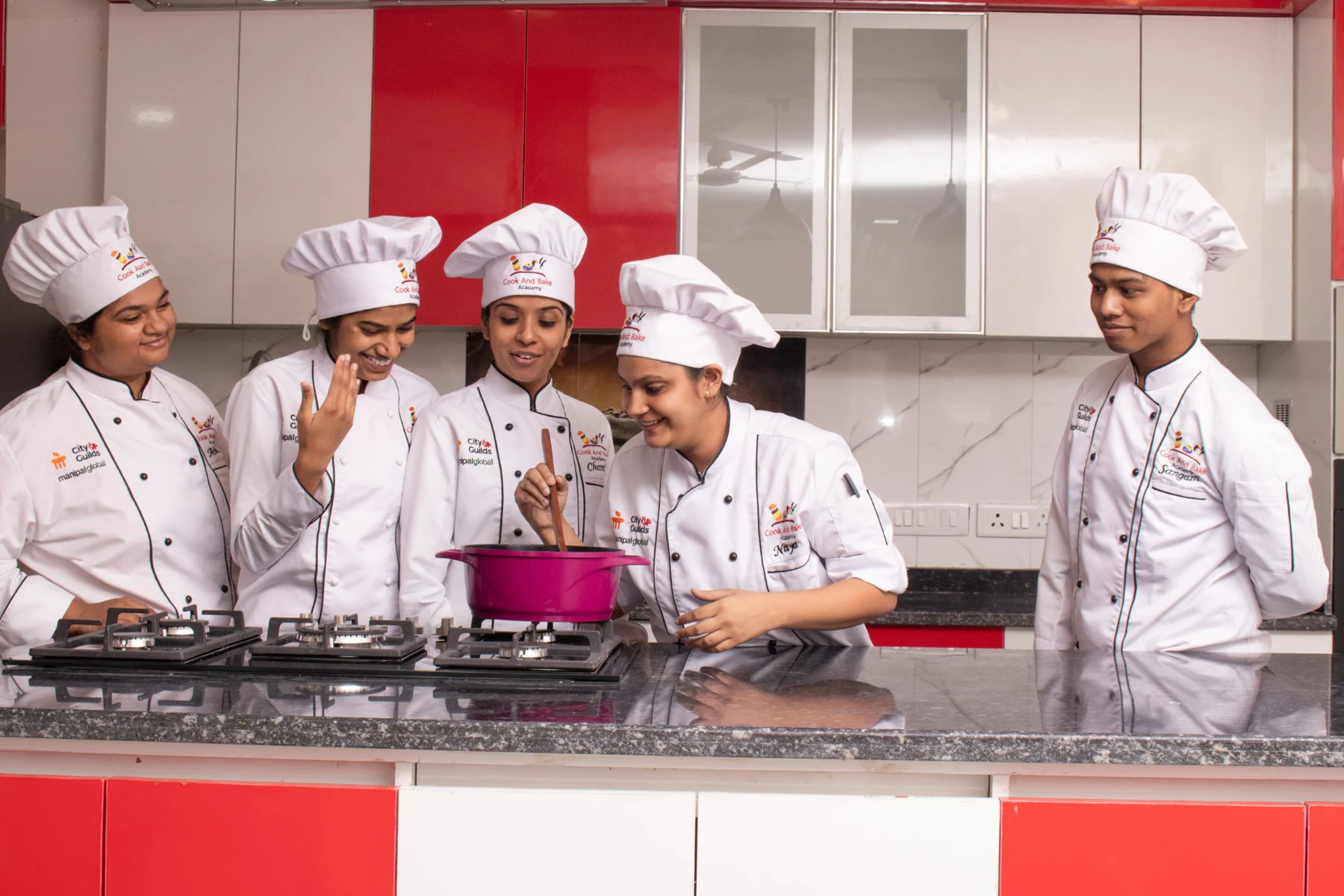
Curious about learning in a real academy kitchen? Speak with admissions about your interests, current programmes and arranging a visit to Paschim Vihar, New Delhi.
Cook & Bake Academy · Paschim Vihar, New Delhi