
BAKING FOUNDATIONS
Bread practice: learn to observe dough, not only the clock
Bread recipes provide a method, but learning also depends on noticing the dough at each stage. A short observation record helps you connect preparation, fermentation and the finished loaf.
Cook & Bake Academy · Culinary Journal
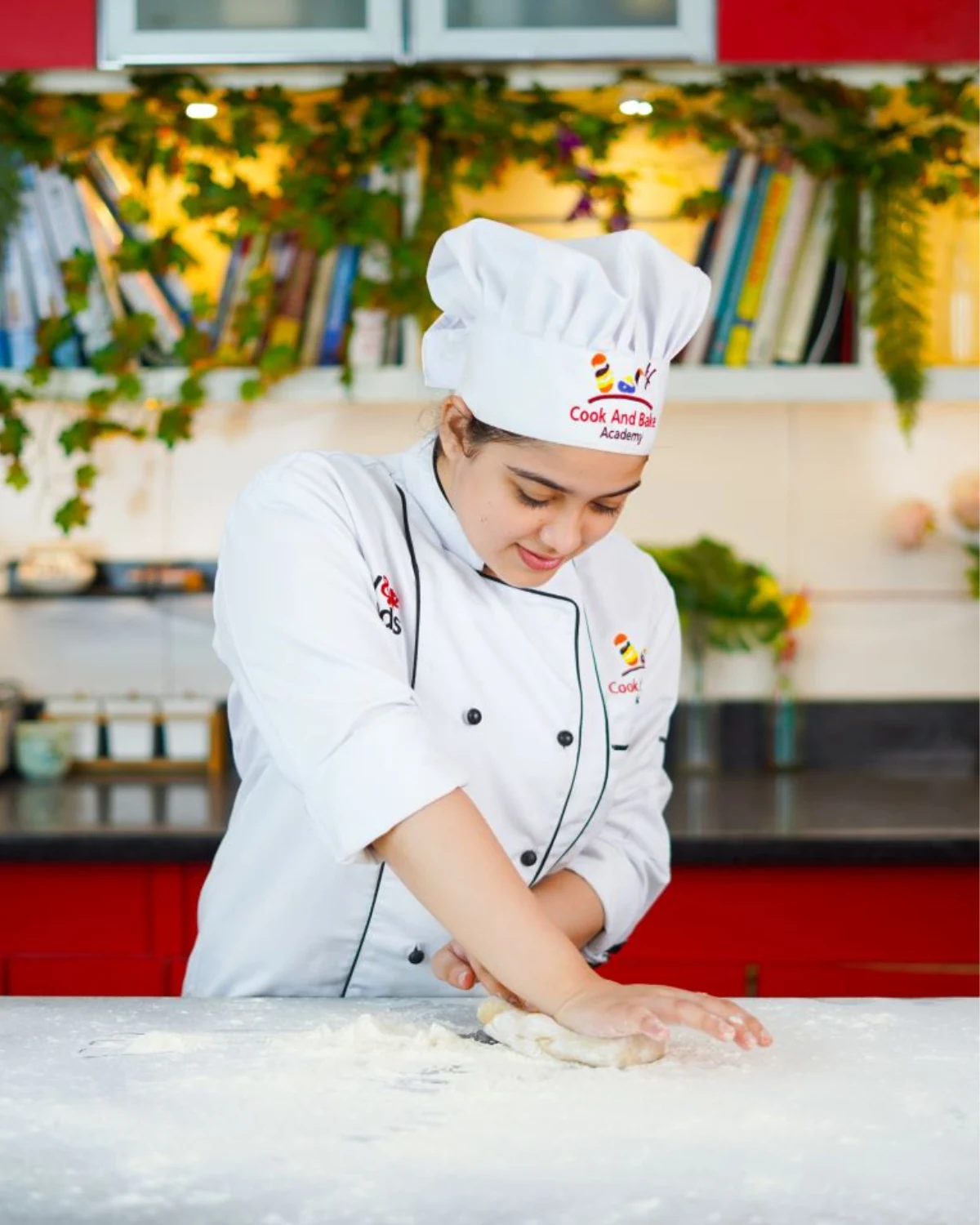
Start with a suitable beginner recipe
Use a tested recipe intended for your equipment and experience. Weigh ingredients, identify the yeast specified and read the method before mixing. Do not substitute different yeast products without checking the recipe guidance. King Arthur Baking’s bread learning guide provides an established reference for getting started.
Record each stage in plain language
After mixing and during the recipe’s rest stages, note how the dough looks and feels. Record the room conditions and any deviations from the method. Use descriptive words such as sticky, smooth or resistant rather than trying to assign a technical diagnosis immediately. Photographs taken from the same angle can make changes easier to compare.
Use the recipe’s cues
Read the visual and tactile cues alongside its time estimates. If your result does not match, ask an instructor what to check before making several changes. Avoid treating one successful timing as a permanent rule for every season or batch. This exercise does not replace the recipe’s cooking and handling instructions.
Review the baked result
Allow the bread to reach the appropriate stage for cutting, following the recipe, then compare the crust and interior with your earlier notes. Record the pan, loaf shape and any changes you made. Repeat the recipe before moving to a much more complex one. A reliable learning record makes it easier to identify which adjustment is worth testing next.
Keep a dough observation log
Record ingredient weights, flour type, mixing method and the recipe’s stage-by-stage cues. At each observation, use a short description rather than a score: sticky, smoother, elastic or noticeably expanded. Keep time records alongside those descriptions, not as their replacement.
After baking and cooling as directed, photograph the crust and cut surface. Link the finished result to the notes from the same batch. One loaf does not prove the cause of a problem; repeat the recipe with one planned adjustment before drawing a conclusion.
Continue learning: Review your baking measurements.
Bring your questions.
Explore the craft.
Curious about learning in a real academy kitchen? Speak with admissions about your interests, current programmes and arranging a visit to Paschim Vihar, New Delhi.
Cook & Bake Academy · Paschim Vihar, New Delhi