
PRESENTATION
Food plating for beginners: give every element a purpose
An attractive plate should still be comfortable to eat. Start with the food and its intended experience, then use composition to make that experience clear.
Cook & Bake Academy · Culinary Journal
Choose the focal point
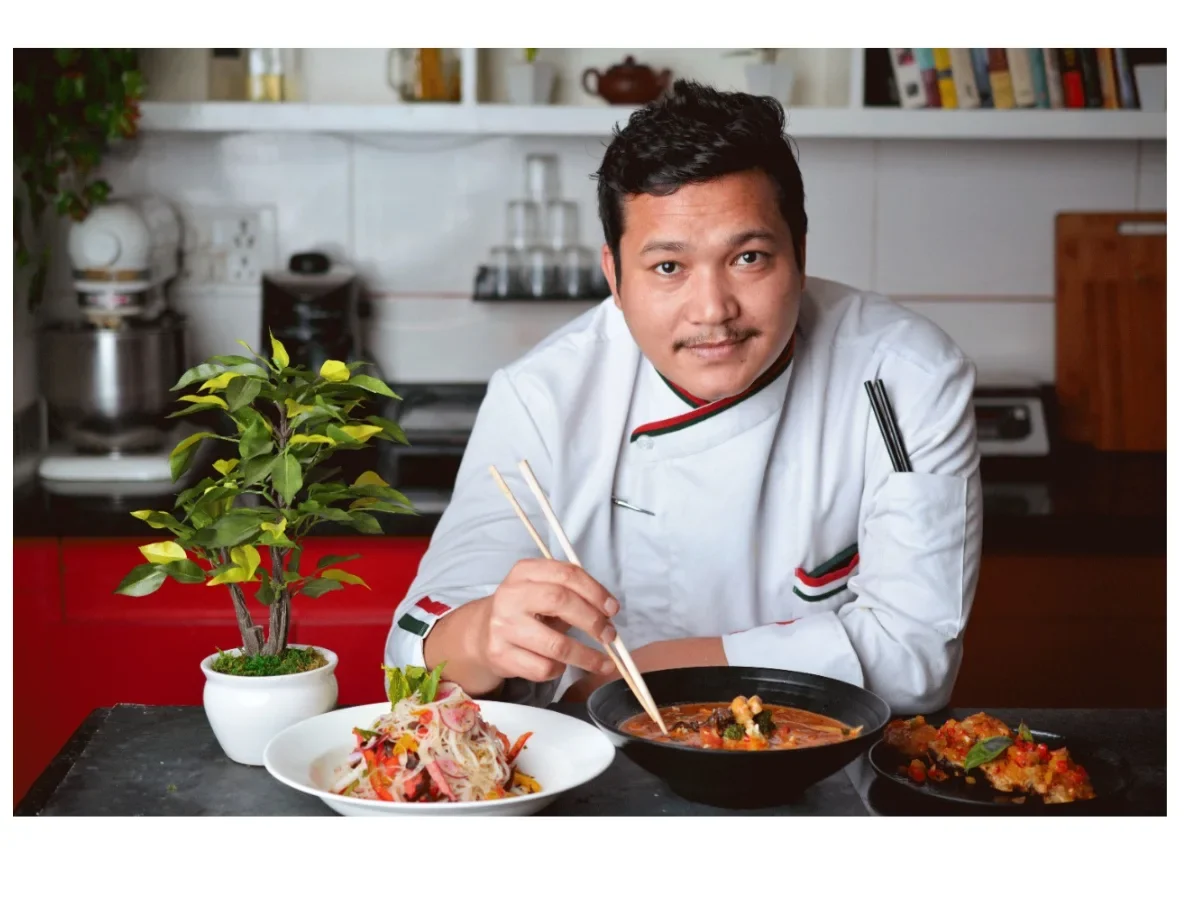
Identify the element that should receive the most attention. Arrange supporting components so they contribute to the dish rather than competing with it. Before adding a garnish, ask whether it improves flavour, texture or the way the food is eaten. A decorative element without a purpose can make the plate busier without making it better.
Use the plate as part of the composition
Test the same portion on two suitable plates. Notice how the rim, colour and available space change your impression. Do not automatically use a larger plate to create a premium appearance; consider the portion and ease of service. Photograph the trials from a consistent angle so you can compare the arrangement rather than camera tricks.
Check the first few bites
Eat the dish as a guest would. Can the sauce and supporting ingredients be reached comfortably? Does a tall arrangement collapse immediately? Is a garnish awkward to move? These observations are more useful than judging the photograph alone. A plate can look refined while remaining straightforward to serve and enjoy.
Practise a repeatable arrangement
Draw a simple plan and plate several portions in succession. Compare consistency and record where the process slowed down. For a service or assessment exercise, preparation and repeatability matter alongside appearance. Keep the best photograph as a record of your own work, but label practice dishes honestly and do not present illustrative photography as a student achievement.
A three-plate practice exercise
Plate three equal portions of the same dish. Keep the food quantity consistent while changing only the arrangement. Compare the focal point, ease of eating and time needed to finish each plate. Choose a presentation that you can repeat without letting appearance interfere with service.
Remove decorative elements that add neither flavour nor useful texture. A garnish should be edible and appropriate to the dish. Take photographs from the guest’s viewpoint as well as overhead; an arrangement that looks effective from above may be awkward at the table.
Continue learning: Document your own culinary work.
Bring your questions.
Explore the craft.
Curious about learning in a real academy kitchen? Speak with admissions about your interests, current programmes and arranging a visit to Paschim Vihar, New Delhi.
Cook & Bake Academy · Paschim Vihar, New Delhi