INTERNATIONAL COOKING
Pasta and sauce: learn pairing through a simple comparison
Pasta pairing becomes easier to understand when you compare actual plates. A controlled tasting can show you how shape, sauce texture and portion balance work together.
Cook & Bake Academy · Culinary Journal
Keep the comparison small
Choose two pasta shapes and one familiar sauce. Read each pasta’s cooking instructions and prepare the same number of tasting portions. Use the same sauce batch so that seasoning does not become an extra variable. This is a learning exercise rather than a claim that a particular shape belongs to only one preparation.
Look at how the sauce is distributed
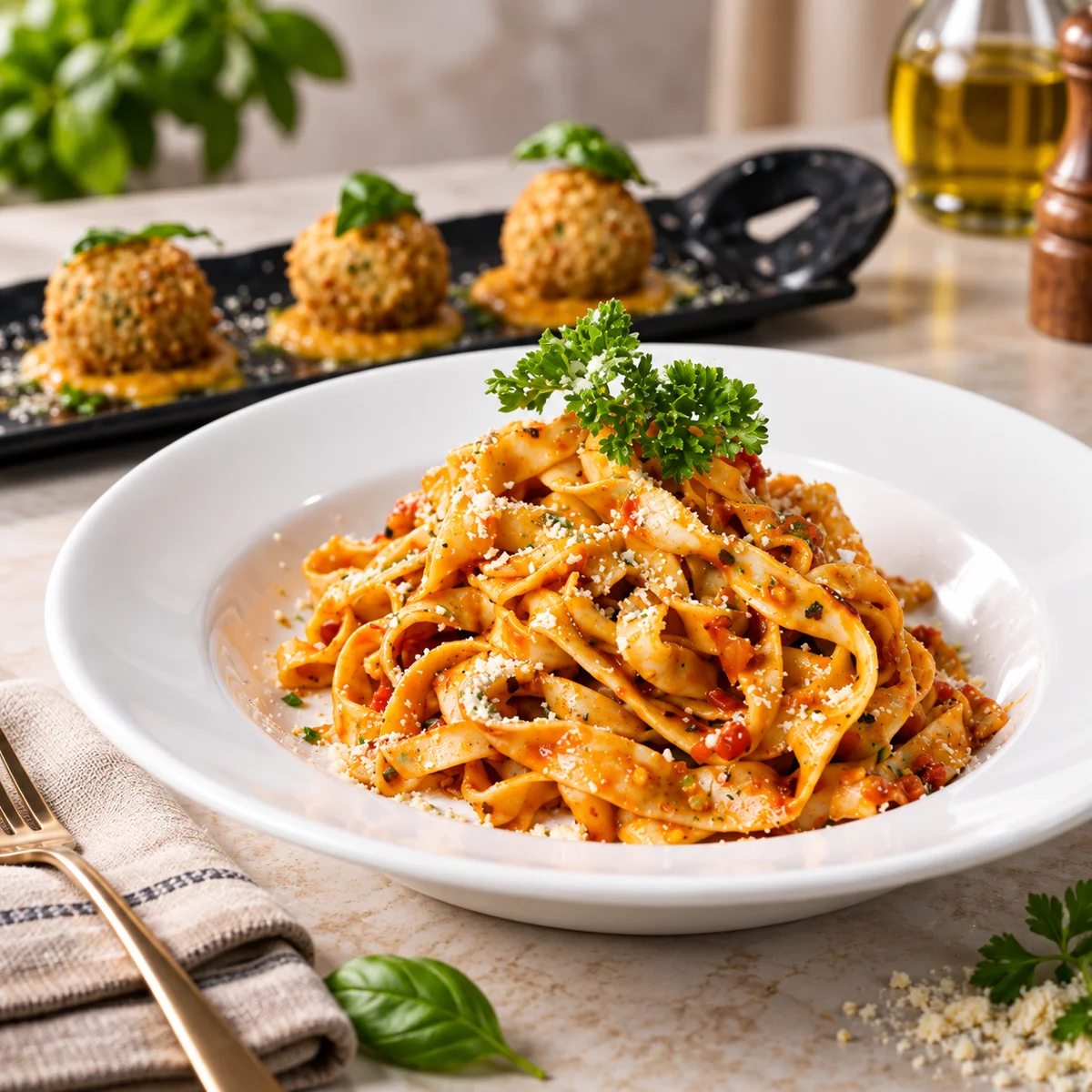
After combining the pasta and sauce, inspect a few pieces. Is the sauce coating the outside, collecting in spaces or remaining mostly at the bottom of the plate? Notice whether larger ingredients are distributed evenly. A sauce that looks attractive in the pan may behave differently once served, so assess a portion in the bowl you plan to use.
Taste the complete forkful
Take a representative mouthful that includes pasta, sauce and any other ingredients. Record whether it feels balanced and whether one component dominates. Use your own descriptive notes rather than searching for a single correct answer. If you adjust the sauce quantity, repeat the tasting at the same portion size so the comparison stays useful.
Apply the result to your own menu
Keep photographs and a short pairing note for each test. Before serving a larger group, repeat the preferred version at a realistic batch size and check the service sequence. A successful small test does not establish how a dish will behave after transport or a long delay. Those are separate trials, especially for takeaway menus.
Make the comparison repeatable
Use the same sauce batch and equivalent cooked portions for both shapes. Keep the amount of sauce consistent. Photograph the plates before tasting, then note whether each forkful includes sauce and any chunky ingredients without awkward handling.
Your notes might describe coating, pooling and the distribution of ingredients. Avoid declaring one pasta shape universally better from a single trial. A different sauce or portion can change the result. Repeat the pairing you prefer before scaling it for guests, and record the finishing method as well as the shape.
Continue learning: Improve restaurant-style cooking at home.
Bring your questions.
Explore the craft.
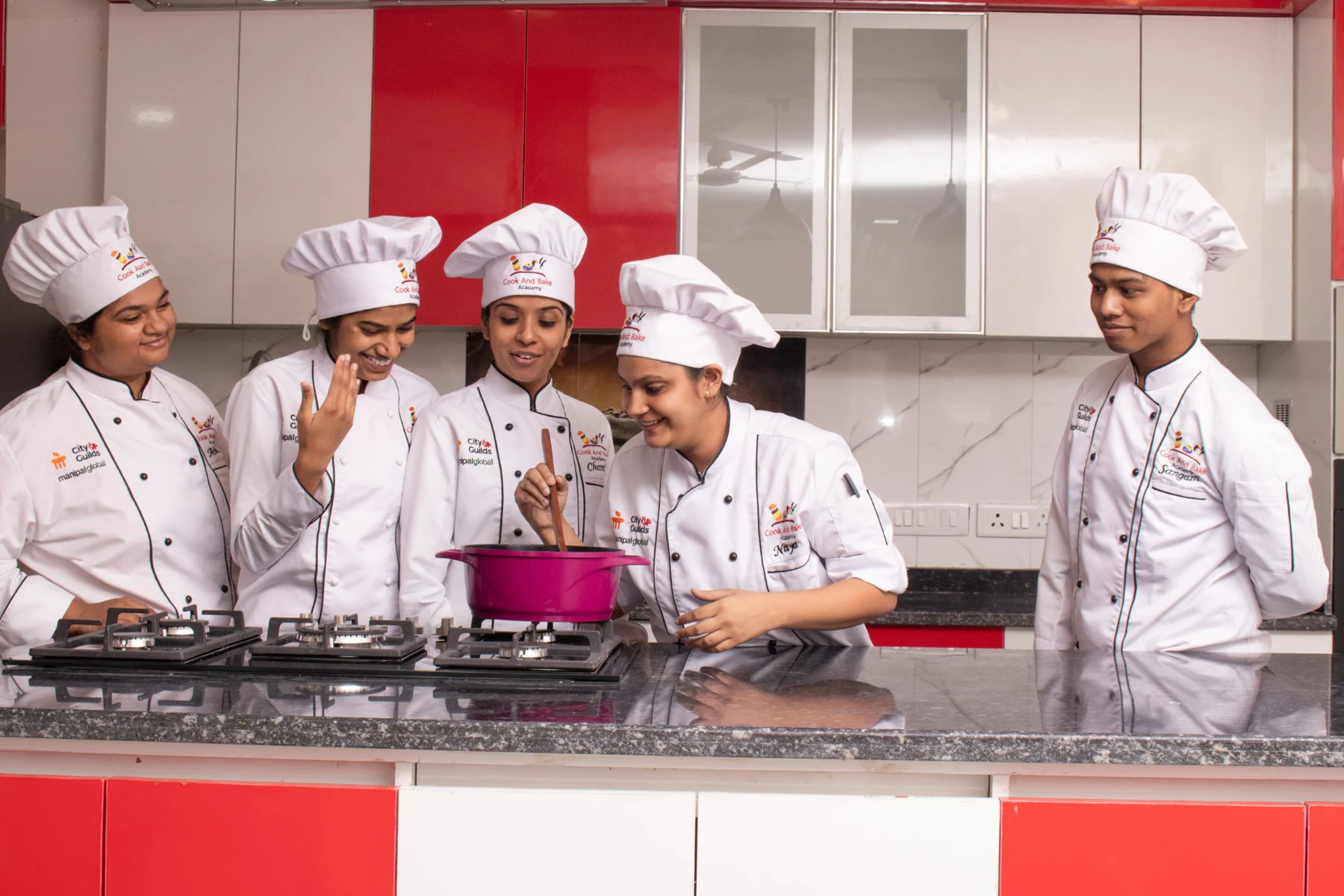
Curious about learning in a real academy kitchen? Speak with admissions about your interests, current programmes and arranging a visit to Paschim Vihar, New Delhi.
Cook & Bake Academy · Paschim Vihar, New Delhi